Asphalt bungle
Baton Rouge lost hundreds of millions in developable land because of the interstates
A new report by urban planner Patrick Kennedy argues that highways are among the most expensive dead spaces in American cities.
He found that about 66,000 acres in 142 U.S. cities are tied up by highways, land he says could be used for development and generate $5.2 billion a year in property taxes.
Why it matters: Baton Rouge is no exception.
Kennedy drew a one-mile radius around downtown Baton Rouge and found that I-10 and I-110 consume 104 acres there alone, land he estimates could support about $474 million in development. Expand the circle to three miles, and the totals rise to 330 acres and $826 million.
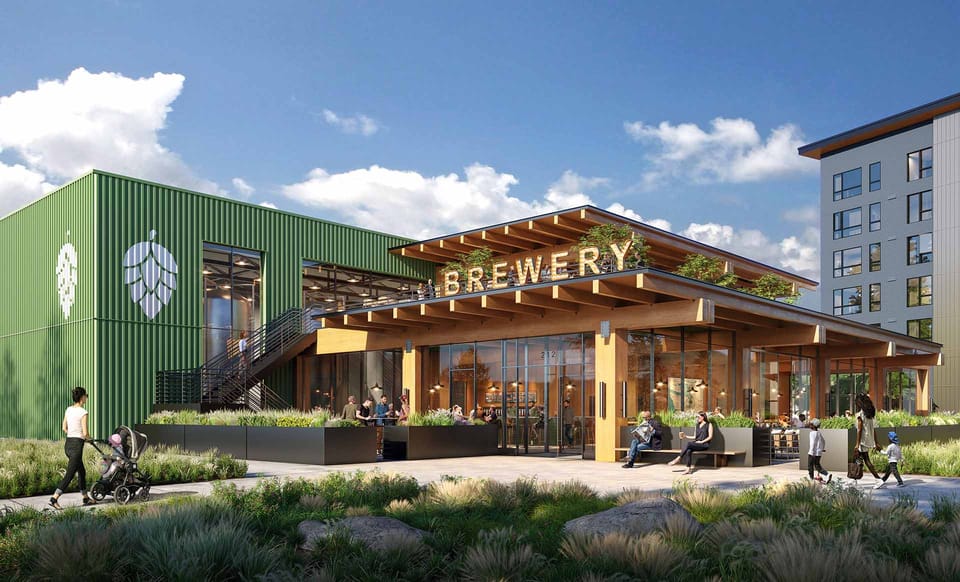
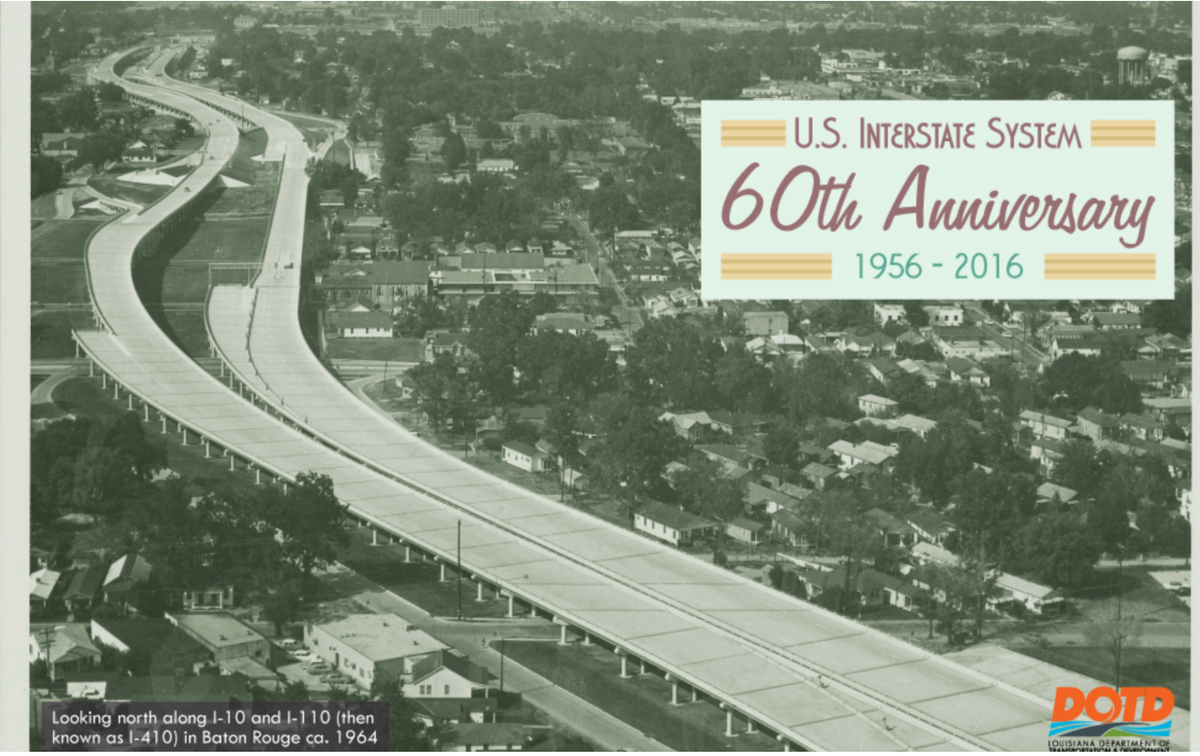
The backstory: Urban highways were once sold as sleek, futuristic marvels. The renderings always looked terrific, as if cities were dying to be sliced open by concrete and looping ramps.
Reality check: The real thing was often the opposite. In city after city, highways tore through neighborhoods, divided communities and drained nearby streets of life and investment. Baton Rouge got its version of that bargain. Old South Baton Rouge was hit hardest. The Perkins Road area was damaged too, if less dramatically.
What’s happening: There has been a growing movement to remove urban highways and stitch cities back together with restored street grids, redevelopment and less noise and pollution. The idea is simple enough: reclaim land, improve local traffic flow, and give damaged neighborhoods a chance to live again.
Yes, but: The movement has slowed badly.
New Orleans is the nearby cautionary tale. The city has long talked about removing the Claiborne Expressway, which bulldozed a thriving Black commercial corridor in Tremé. A federal planning grant in 2023 briefly made the idea feel real. Then Congress wiped out most highway-removal funding in 2025. The project is now what it has long been: widely supported, morally compelling and short on cash.
The bottom line: Baton Rouge is not removing I-10. It is widening it. Some of the rebuild work is plainly necessary. But the added lanes are unlikely to solve congestion for long. Louisiana DOT will at least dress up part of the project, with a new bridge over the lakes and promised upgrades around Perkins Road Overpass.